
Enhancing Performance with Industrial Diamond Grinding Solutions
- Philix WhatsApp +8613805339219

- Jun 1
- 4 min read
In the realm of precision manufacturing and advanced material processing, the integration of industrial diamond grinding technology has become indispensable. The utilization of diamond abrasives in grinding applications offers unparalleled advantages in terms of durability, precision, and efficiency. This article aims to provide a comprehensive exploration of industrial diamond grinding, elucidating its technical benefits, operational considerations, and cost implications, while also offering practical recommendations for optimizing performance in various industrial sectors.
The Technical Superiority of Industrial Diamond Grinding
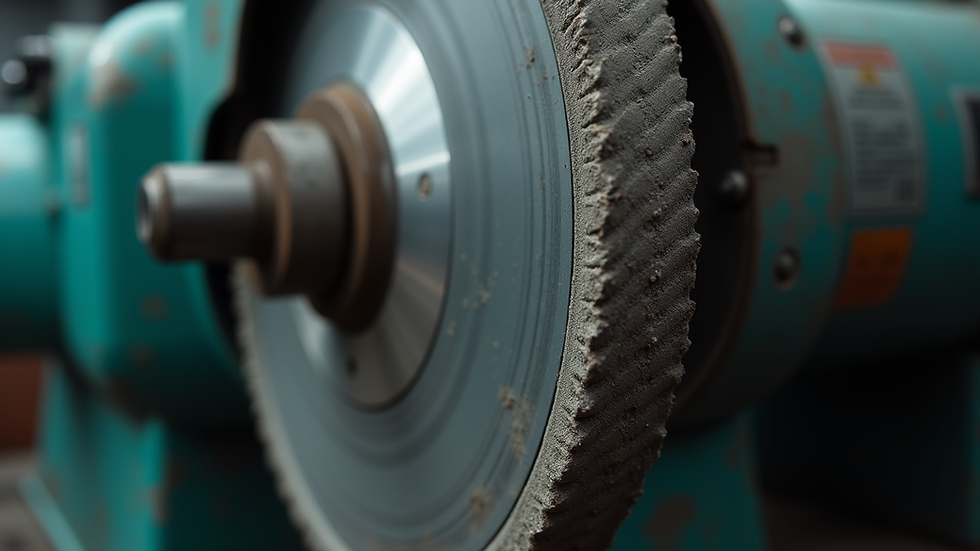
Industrial diamond grinding employs synthetic or natural diamond particles embedded in a bonding matrix to achieve superior material removal rates and surface finishes. The exceptional hardness and thermal conductivity of diamond enable the grinding of extremely hard materials such as ceramics, sapphire, quartz, carbide, and advanced composites with minimal tool wear and high dimensional accuracy. The process is characterized by its ability to maintain consistent surface quality, reduce subsurface damage, and enhance the longevity of both the grinding tools and the workpieces.
The selection of appropriate diamond grit size, bond type, and grinding parameters is critical to achieving optimal results. For instance, finer diamond grits are preferred for polishing and finishing applications where surface smoothness and minimal defects are paramount, whereas coarser grits facilitate rapid stock removal in rough grinding operations. Additionally, the choice between metal, resin, or vitrified bonds influences the grinding wheel's resilience, heat dissipation, and dressing frequency. These technical considerations must be meticulously evaluated to tailor the grinding process to specific material characteristics and production requirements.

Applications and Benefits of Industrial Diamond Grinding in Advanced Manufacturing
The deployment of industrial diamond grinding technology spans a diverse array of industries, each demanding precise surface finishing and material integrity. In semiconductor and optics manufacturing, diamond grinding is instrumental in producing wafers, lenses, and substrates with stringent flatness and surface roughness specifications. The aerospace and automotive sectors benefit from diamond grinding's capability to machine high-strength alloys and composites, ensuring component reliability and performance under extreme conditions.
Precision grinding and polishing workshops rely on diamond abrasives to achieve consistent surface finishes and dimensional tolerances, which are critical for downstream assembly and functionality. Furthermore, research laboratories and universities utilize diamond grinding tools for experimental surface treatments and prototype fabrication, enabling the exploration of novel materials and processes. The stone, jewelry, and lapidary industries also leverage diamond grinding for shaping and polishing gemstones, where precision and surface quality directly impact aesthetic and commercial value.
The integration of diamond grinding solutions into these applications results in enhanced productivity, reduced operational costs, and improved product quality. The ability to customize diamond abrasive products to specific industrial needs further amplifies their utility and effectiveness.
How much does diamond grind concrete cost?
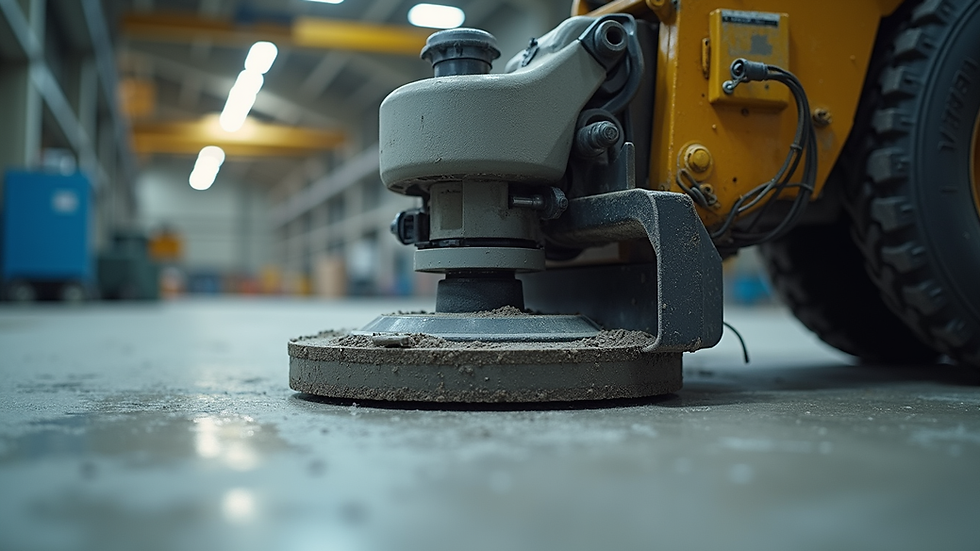
The cost of diamond grinding concrete varies significantly based on several factors including the scale of the project, the hardness and condition of the concrete surface, and the specific grinding equipment and diamond tooling employed. Typically, pricing is influenced by the following components:
Surface Area and Thickness: Larger surface areas and thicker concrete slabs require more extensive grinding time and tool wear, increasing overall costs.
Diamond Tool Quality and Type: Higher quality diamond abrasives with advanced bonding technologies command premium prices but offer longer tool life and superior finish.
Grinding Equipment and Labor: The use of specialized industrial diamond grinding machines operated by skilled technicians affects the cost structure.
Surface Preparation and Finishing Requirements: Additional processes such as polishing, coating, or sealing after grinding contribute to the total expenditure.
On average, diamond grinding concrete costs range from $1.50 to $4.00 per square foot, depending on the complexity and precision required. It is advisable to conduct a detailed assessment of the project parameters and consult with experienced suppliers to obtain accurate quotations and optimize cost-efficiency.
Optimizing Industrial Diamond Grinding Processes for Maximum Efficiency
To maximize the benefits of industrial diamond grinding, it is essential to implement best practices that enhance tool performance and process reliability. The following recommendations are critical for achieving superior grinding outcomes:
Regular Tool Dressing and Maintenance: Maintaining the sharpness and profile of diamond grinding wheels through periodic dressing prevents glazing and ensures consistent material removal rates.
Optimized Grinding Parameters: Adjusting feed rates, spindle speeds, and depth of cut according to material properties minimizes thermal damage and enhances surface finish.
Coolant Application: Employing appropriate coolant systems reduces heat generation, prolongs tool life, and prevents workpiece deformation.
Process Monitoring and Quality Control: Utilizing in-process measurement techniques such as surface profilometry and dimensional inspection facilitates early detection of deviations and corrective actions.
Customized Tool Design: Collaborating with diamond abrasive manufacturers to develop tools tailored to specific applications can significantly improve grinding efficiency and product quality.
By adhering to these guidelines, industrial operators can reduce downtime, lower operational costs, and achieve consistent, high-quality results across diverse material types and production scales.
Future Trends and Innovations in Industrial Diamond Grinding
The evolution of industrial diamond grinding technology continues to be driven by advancements in material science, manufacturing automation, and digital process control. Emerging trends include the development of ultra-fine diamond abrasives for nanometer-scale surface finishing, hybrid bonding systems that combine the advantages of different bond types, and the integration of smart sensors for real-time process optimization.
Automation and robotics are increasingly incorporated into grinding operations to enhance precision, repeatability, and safety, particularly in high-volume production environments. Additionally, sustainable manufacturing practices are influencing the design of diamond grinding tools and processes, with a focus on reducing energy consumption, minimizing waste, and extending tool life.
Research and development efforts are also exploring novel diamond composite materials and innovative grinding wheel architectures to address the challenges posed by new high-performance materials in aerospace, electronics, and biomedical industries. These advancements promise to expand the capabilities and applications of industrial diamond grinding, reinforcing its role as a cornerstone technology in modern manufacturing.
Advancing Industrial Capabilities with Diamond Grinding Expertise
The strategic implementation of industrial diamond grinding technology represents a critical investment in enhancing manufacturing performance and product quality. By leveraging the unique properties of diamond abrasives and adopting optimized grinding methodologies, industries can achieve superior surface finishes, precise dimensional control, and increased operational efficiency.
Continuous collaboration with leading diamond abrasive manufacturers and technical experts is essential to stay abreast of technological innovations and to tailor grinding solutions to evolving material and process requirements. The commitment to excellence in diamond grinding not only supports current production demands but also positions organizations to meet future challenges in advanced materials processing and precision manufacturing.
The integration of diamond grinding solutions into industrial workflows is a decisive factor in achieving these objectives, providing reliable, high-performance tools that drive innovation and competitive advantage across multiple sectors.


Comments