
Achieving Excellence with Industrial Sanding Belts: A Comprehensive Analysis
- Philix WhatsApp +8613805339219

- Apr 29
- 5 min read
In the realm of precision surface finishing and material processing, the utilization of industrial sanding belts has become an indispensable component for achieving superior results. The intricate demands of industries such as semiconductor manufacturing, aerospace, automotive, and advanced materials research necessitate abrasive tools that deliver consistent performance, exceptional durability, and precise material removal capabilities. This detailed exposition explores the multifaceted advantages, technical specifications, and practical applications of industrial sanding belts, with a particular focus on the integration of advanced abrasive technologies to optimize operational efficiency and product quality.
The Critical Role of Industrial Sanding Belts in Precision Manufacturing
Industrial sanding belts serve as the backbone for numerous manufacturing and finishing processes, providing a continuous abrasive surface that facilitates controlled material removal and surface refinement. These belts are engineered to accommodate a wide range of substrates, including glass, ceramics, sapphire, quartz, stone, and carbide, which are characterized by their hardness and resistance to conventional abrasives. The selection of appropriate sanding belts is paramount to ensuring minimal surface defects, uniform finish, and adherence to stringent dimensional tolerances.
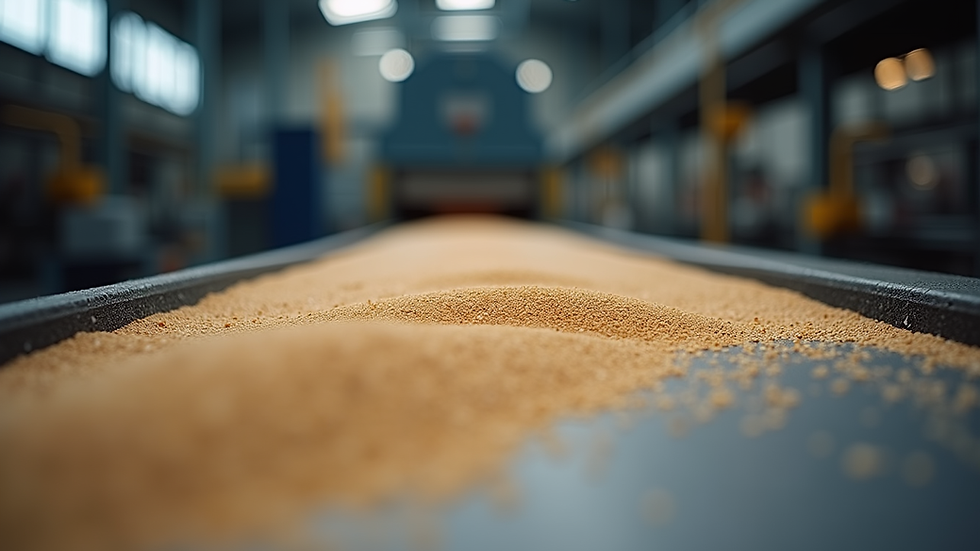
The construction of industrial sanding belts typically involves a robust backing material, such as polyester or nylon, which imparts tensile strength and flexibility. This backing is coated with abrasive grains bonded through resin or electroplated methods, depending on the application requirements. The abrasive grain size, distribution, and bonding technique directly influence the belt's cutting efficiency, longevity, and heat dissipation properties. For instance, belts designed for high-precision grinding in semiconductor wafer production demand ultra-fine abrasive grains with uniform distribution to achieve nanometer-level surface finishes.
Technical Specifications and Performance Parameters of Industrial Sanding Belts
The performance of industrial sanding belts is governed by a series of technical parameters that must be meticulously considered during selection and application. These parameters include grit size, abrasive type, belt width and length, backing material, and bonding method. Each parameter contributes to the overall effectiveness of the sanding process and must be aligned with the specific material characteristics and desired surface finish.
Grit Size: The grit size determines the coarseness of the abrasive surface. Coarser grits (e.g., 40-60) are employed for rapid material removal, while finer grits (e.g., 400-1200) are utilized for polishing and finishing operations.
Abrasive Type: Common abrasives include aluminum oxide, silicon carbide, and diamond. Diamond abrasives are particularly advantageous for hard materials due to their superior hardness and wear resistance.
Backing Material: The choice of backing affects the belt's flexibility, strength, and heat resistance. Polyester backings offer excellent dimensional stability, whereas nylon backings provide enhanced tear resistance.
Bonding Method: Resin bonds are prevalent for general-purpose applications, while electroplated bonds are preferred for precision grinding due to their ability to maintain abrasive grain sharpness.
The integration of these parameters results in sanding belts that can withstand high operational speeds, maintain consistent abrasive action, and deliver reproducible surface finishes critical for high-value manufacturing processes.
Advanced Applications and Industry-Specific Utilization
The deployment of industrial sanding belts spans a diverse array of sectors, each with unique material challenges and quality requirements. In the semiconductor, optics, and electronics industries, the demand for ultra-smooth surfaces and defect-free finishes necessitates the use of belts with precisely engineered abrasive characteristics. For example, the polishing of silicon wafers requires belts that can remove sub-micron layers without inducing micro-cracks or surface contamination.
In aerospace and automotive manufacturing, the emphasis lies on achieving high-strength material finishes that enhance component durability and performance. Industrial sanding belts facilitate the grinding and polishing of specialty alloys and composites, ensuring dimensional accuracy and surface integrity. Similarly, research laboratories and universities leverage these belts for experimental surface finishing and prototype fabrication, where flexibility and precision are paramount.
The stone, jewelry, and lapidary sectors benefit from the adaptability of sanding belts to shape, cut, and polish gemstones and decorative stones with high precision. The belts' ability to conform to complex geometries while maintaining abrasive efficiency is critical for these applications.
Optimizing Operational Efficiency with Diamond Abrasive Technologies
Among the various abrasive options available, diamond sanding belts represent a pinnacle of technological advancement in abrasive solutions. The unparalleled hardness and thermal conductivity of diamond grains enable these belts to perform exceptionally well on ultra-hard materials such as sapphire, carbide, and advanced ceramics. The use of diamond abrasives significantly enhances material removal rates while maintaining surface quality and reducing belt wear.
The manufacturing process of diamond sanding belts involves the precise deposition of diamond particles onto a flexible backing, often utilizing electroplating or resin bonding techniques. This ensures a uniform abrasive layer that maximizes cutting efficiency and belt longevity. Additionally, diamond belts exhibit superior resistance to heat generation during high-speed operations, mitigating thermal damage to sensitive substrates.
To optimize the performance of diamond sanding belts, it is essential to consider factors such as belt tension, feed rate, and cooling methods. Proper tensioning prevents belt slippage and uneven wear, while controlled feed rates balance material removal with surface finish quality. The application of coolant fluids further enhances belt life and prevents thermal degradation of both the belt and the workpiece.
Best Practices for Selection, Maintenance, and Application
Achieving excellence with industrial sanding belts requires a comprehensive understanding of selection criteria, maintenance protocols, and application techniques. The following best practices are recommended to maximize the benefits of these abrasive tools:
Material Compatibility Assessment: Conduct thorough analysis of the substrate hardness, brittleness, and thermal sensitivity to select the appropriate abrasive type and grit size.
Customized Belt Specifications: Collaborate with manufacturers to obtain belts tailored to specific operational parameters, including belt dimensions, abrasive concentration, and bonding methods.
Regular Inspection and Replacement: Implement routine inspections to detect belt wear, damage, or abrasive depletion, ensuring timely replacement to maintain process consistency.
Optimized Machine Settings: Adjust machine speed, belt tension, and feed rates based on empirical data and manufacturer recommendations to prevent premature belt failure and achieve desired surface finishes.
Effective Cooling and Dust Extraction: Utilize coolant systems and dust extraction units to reduce heat buildup and remove abrasive debris, thereby extending belt life and maintaining a clean working environment.
Adherence to these practices not only enhances the operational lifespan of industrial sanding belts but also contributes to improved product quality and reduced production costs.
Advancing Surface Finishing Capabilities with Innovative Abrasive Solutions
The continuous evolution of material science and manufacturing technologies necessitates the development of advanced abrasive solutions that can meet increasingly stringent performance criteria. Industrial sanding belts, particularly those incorporating diamond abrasive technology, are at the forefront of this advancement. Their ability to deliver precise, efficient, and reliable surface finishing across a broad spectrum of hard and specialty materials positions them as essential tools in modern industrial processes.
By integrating cutting-edge abrasive materials, optimized belt constructions, and tailored application methodologies, manufacturers and industrial professionals can achieve unparalleled excellence in surface finishing. This commitment to innovation and quality supports the overarching goal of delivering superior products that meet the exacting standards of contemporary industries.
The strategic implementation of industrial sanding belts, combined with rigorous process control and technical expertise, will continue to drive advancements in precision grinding, polishing, and cutting operations, thereby reinforcing the critical role of these abrasive tools in achieving manufacturing excellence.


Comments